
Answering the question for practical, ready-to-use emergency gear, these five kits and items are selected to cover core survival needs: shelter, water, warmth, food prep, and first aid. They suit different buyers—from families seeking comprehensive gear to solo preppers wanting compact, high-utility options. The top choices balance portability, immediate usefulness, and realistic protection in 72-hour windows after a disaster.
Buying Guide Snapshot
| Product | Best For | Why It Stands Out |
|---|---|---|
| RIKOJUXI Survival Kit, 262Pcs | Families, multi-day emergencies | Comprehensive gear with a first aid pouch and multiple survival tools |
| LifeStraw Personal | Water on the go | High-grade filtration for bacteria and microplastics |
| Mart Cobra Emergency Blanket 4-Pack | Compact warmth | High heat retention, lightweight and versatile |
| QIO CHUANG Mylar Emergency Blankets 4-Pack | Budget warmth and redundancy | Durable, reusable space blankets with excellent heat retention |
| Leberna Emergency Sleeping Bag 2 Pack | Emergency shelter | Extra-large, NASA-grade Mylar, highly portable |
Survival Kit, 262Pcs Survival Gear and Supplies

Best for families seeking a ready-to-go bundle that covers both basic comfort and critical first aid. The 262-piece set includes a bright red first aid pouch with tools like tweezers and scissors, along with a crossbody bag and a tent. It is designed in collaboration with first responders, doctors, and professionals. Use this kit when you want a single, comprehensive solution for the first 72 hours after a disaster. Caution: size and weight may be too bulky for solo carry or short trips.
Who it’s for: households needing a complete emergency package that minimizes shopping for individual items. Why selected: the kit pairs medical supplies with survival gear, enabling quick response in a crisis and straightforward storage in one bag.
Key considerations:
– Contains a dedicated first aid component with medical emergency card.
– Includes fire starter, water container, food prep aids, and signaling tools.
– Best used as a primary family kit, not a tiny personal kit.
LifeStraw Personal — Water Filter
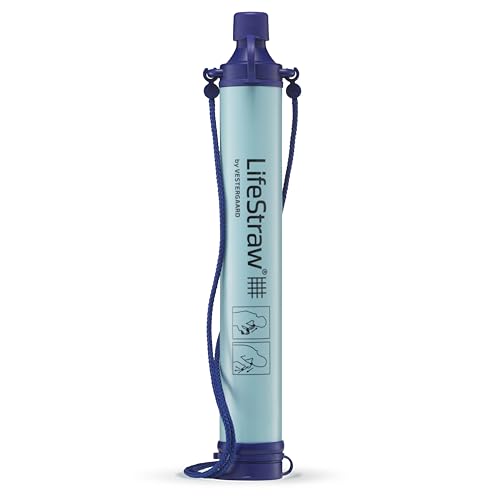
Best for travelers and hikers needing reliable water purification. The LifeStraw removes bacteria and parasites with a microfiltration membrane, filtering up to 99.9999% of waterborne pathogens, and reduces microplastics to 1 micron. It’s validated by independent testing in accordance with EPA, NSF, and ASTM standards. Caution: it filters rather than sterilizes; it depends on intake water quality and proper use to maintain performance.
Who it’s for: individuals who prioritize safe drinking water while on the move or in remote locations. Why selected: lightweight, compact, and chemical-free filtration that can turn questionable sources into drinkable water during a survival scenario.
Mart Cobra Emergency Blanket 4-Pack

Best for maximizing warmth with minimal bulk. These Mylar space blankets retain up to 90% of body heat and serve as ground cover, shelter, or hypothermia prevention. Pack includes four blankets, offering redundancy in cold-weather emergencies. Caution: single-use materials can degrade with repeated folding and exposure to moisture; store dry for best performance.
Who it’s for: anyone building a contingency kit where compact warmth and quick deployment matter. Why selected: high heat retention with versatile uses in camping, hiking, and disaster readiness, plus multiple blankets for family use or layered protection.
QIO CHUANG Mylar Emergency Blankets – Pack of 4
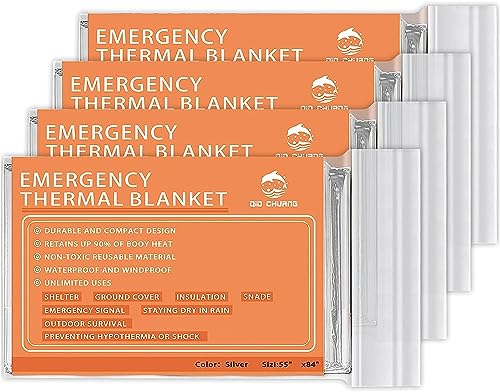
Best for budget-friendly warmth that’s reusable and weatherproof. These four-pack aluminized Mylar blankets reflect up to 90% of body heat and provide wind and water resistance. They’re designed for emergency kits, bug-out bags, and auto readiness. Caution: performance can vary with extreme wear or repeated use; inspect before relying on them in severe conditions.
Who it’s for: budget-conscious preppers and anyone seeking layered warmth options. Why selected: durable, compact, and easy to replace, making it a reliable add-on to any emergency kit or bug-out bag.
Leberna Emergency Sleeping Bag 2 Pack

Best for emergency shelter and rapid sheltering needs. The Leberna bivvy bags are extra-large at 84 by 36 inches, made from NASA-inspired Mylar, and designed to reflect 90% of body heat. They’re lightweight, waterproof, and windproof. Caution: not a long-term shelter substitute; intended for short-term survival use and signaling in immediate crises.
Buying Guide
What should you look for in an end-of-the-world survival kit?
Key factors include comprehensiveness, portability, and scenario coverage. A good kit should provide first aid essentials, water filtration or purification, warmth retention, signaling capabilities, shelter, and tools for fire or food gathering. Consider the climate you face and whether you need family-wide redundancy or a compact personal kit.
How to balance quantity vs. quality
More items may mean better coverage, but ensure every item has a defined use and is reliable. Focus on multi-use gear and proven components, such as secure fire starters, dependable water filtration, and durable thermal blankets. Redundant items (like multiple blankets) help family units but can add weight.
Weight, space, and storage considerations
Choose kits that fit your storage space and carrying capacity. For cars, a larger, more capable kit with a sturdy bag may work well. For backpacks and bug-out scenarios, prioritize compact, lightweight items with clear usage instructions and durable construction.
Maintenance and replenishment advice
Periodically check expiration dates on consumables, reseal if needed, and replace used items promptly. Keep a simple inventory list in your kit to ensure quick replacement after use. Store in a cool, dry place away from direct sunlight and chemicals.
How to customize your kit by scenario
Adapt your kit to urban outages, natural disasters, or remote expeditions. Add pathfinding and signaling gear for wilderness use; include personal medications and immunizations if applicable. A practical approach is layering the kit: core essentials plus specialty add-ons like water treatment or portable shelter.
FAQ
- What is the most important item in a survival kit? The most important item is often the first aid and water provision, because immediate medical needs and hydration are critical in the first 72 hours after a disaster.
- Should I buy one large kit or several small kits? A combination works well: a family-sized main kit plus smaller personal kits for each member or vehicle. This provides flexibility for different scenarios and locations.
- Are Mylar blankets reusable? They are designed for repeated use, but performance can decline after multiple uses. Keep spare blankets in good condition and inspect for tears before use.
- How long do water filters last in a survival setting? Filtration devices depend on usage; follow manufacturer guidelines for replacement, especially after filtering highly contaminated water.
- What should I store with emergency sleeping bags? Store them with a compact tarp or ground cover, extra blankets, a signaling device, and a compact fire starter kit to maximize warmth and shelter options.
- Do I need a dedicated bug-out bag if I have a home kit? A bug-out bag is valuable for rapid evacuation scenarios, offering portability and priority access to essential tools when leaving a location quickly.