
If you’re shopping for a hollow fill sleeping bag, you’re looking for lightweight warmth, quick-drying fabrics, and easy packing. This guide highlights five reliable options suited for solo travelers, campers with limited space, and outdoor enthusiasts who want extra warmth without bulk. Each pick balances insulation, weight, and price to help you choose the right bag for three-season use or chilly nights around the campfire.
Summary table of selected products:
| Product | Best For | Temperature Range | Weight | Notes |
|---|---|---|---|---|
| Sleeping Bags for Adults Backpacking Lightweight Waterproof | Budget-friendly comfort | 50℉-68℉ (10℃-20℃) | Not stated | Roomy, hood drawstring |
| REDCAMP Cotton Flannel Sleeping Bag for Adults | Extra room, for family trips | 5℃/41℉-15℃/59℉ | 4.6 lbs / 2.1 kg | Large size, compression sack |
| KingCamp Cotton Flannel Sleeping Bag | Big & tall comfort | 39℉-32℉ limit | 5 lbs | XL size, cloud-like liner |
| ShinHye 0 Degree Sleeping Bag for Adults | Cold-weather warmth | 0℉/-18℃ limit | 7.5 lbs | Two-way zippers, hood |
| Clostnature Sleeping Bag for Adults and Kids | Versatile, compact | Not specified in features | ≈3 lbs | Right zipper, dual-zip option |
Sleeping Bags for Adults Backpacking Lightweight Comfort

Best for budget-conscious buyers who need a roomy, three-season bag. Its hollow cotton fill provides basic warmth with a design temperature range around 50℉–68℉ (10℃–20℃). Suitable for campers up to about 5 feet 11 inches tall, it emphasizes a hood drawstring and a foot zipper that helps regulate temperature. Limitations: exact weight isn’t specified, and higher-end models may offer better insulation in colder nights.
REDCAMP Cotton Flannel Sleeping Bag for Adults
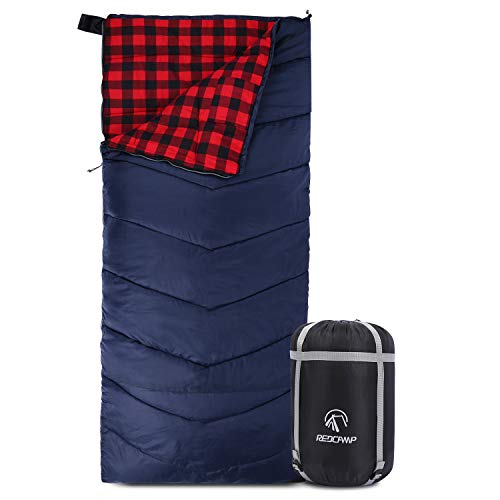
Best for campers seeking extra room and a lightweight envelope style. With a large open size of 79×33 inches and a 5℃/41℉–15℃/59℉ temperature range, this bag prioritizes comfort in mild to cool weather. It weighs about 4.6 lbs and includes a compression sack for easy packing. Tip: its warmth may be limited in freezing conditions, so pair with a liner or heater as needed.
KingCamp Cotton Flannel Sleeping Bag

Best for big-and-tall hikers who want generous space and reliable warmth. This XL bag measures 74.8″ x 33.1″ with a comfort temperature around 39°F, a 32°F limit, and an extreme of 5°F. Its double-layer insulation and Velcro collar help seal warmth. Limitations: weight around 5 lbs may be heavier for ultralight backpackers.
ShinHye 0 Degree Sleeping Bag for Adults
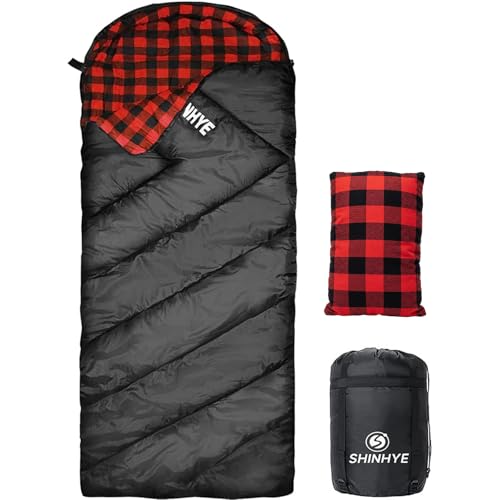
Best for winter camping and cold nights. It features a half-circle mummy hood, two-way zippers, and a neck pull to minimize heat loss. The comfort temperature is around 30℉ (0℃), with a limit of 14℉ (-10℃). Weighs approximately 7.5 lbs and includes a carry bag and compression sack. Careful: heavier weight and a higher warmth rating mean it may be less suitable for warm-weather trips.
Clostnature Sleeping Bag for Adults and Kids

Best for versatile family use and portability. This right-zipper bag supports pairing with a left-zipper version for a double sleeping bag. It uses a lightweight construction with hollow fiber fillings and a compact form, suitable for hiking, camping, and travel. Limitation: feature details emphasize portability over extreme cold performance, so plan for moderate conditions.
Buying Guide: Hollow Fill Sleeping Bag Considerations
- Warmth-to-weight ratio: Hollow fiber fill offers lightweight warmth but may vary in insulating efficiency. Look for bags rated for your typical trip temperatures and choose a higher fill if you expect colder nights.
- Shell and lining materials: Waterproof or water-resistant shells help protect against moisture. Breathable linings prevent dampness from building up inside the bag.
- Size and fit: Ensure the bag accommodates your height and torso length. Bigger sleepers may prefer XL or roomy envelope designs, while solo hikers might prioritize compact dimensions.
- Weight and packability: For backpackers, weight matters more than overall bulk. A compression sack and compact form simplify transport.
- Ventilation and temperature regulation: Zippers that allow venting help adapt to changing conditions. Hood design and draft collars can improve heat retention.
- Durability and care: Check the fabric, stitching quality, and cleaning requirements. Reusability and easy maintenance extend the bag’s life.
FAQ
- Q: What does hollow fill mean in sleeping bags? A: Hollow fiber fill uses hollow synthetic fibers that trap air to provide insulation while keeping the bag lightweight and compressible.
- Q: Are hollow fill bags suitable for winter camping? A: They can be, but many are designed for three-season use. For extreme cold, choose a bag with higher warmth ratings or use layering with a liner.
- Q: How should I choose the right size? A: Pick a bag that allows at least 6–8 inches of space beyond your height and some room for movement, or go with an XL design for big-and-tall sleepers.
- Q: Is a hood necessary in a sleeping bag? A: A drawstring hood helps seal in warmth, particularly in cooler nights or windy conditions.
- Q: What is the advantage of a compression sack? A: A compression sack reduces pack size, making it easier to carry and store the bag during trips.
- Q: Can I zipper two bags together? A: Some models offer right/left zipper compatibility to form a double bag for couples or family use.