
Direct answer: choose durable, sealable Mylar or silicone bags designed for backpacking when you need lightweight, space-saving meal storage on hikes. This guide highlights versatile options for dehydrated, freeze-dried, or ready-to-eat meals, plus insulated pouches for hot or cold meals. The top picks below suit backpackers who want long-term storage, boil-safe prep, or simple meal-prep on trails. The quick-reference table below helps you compare at a glance.
| Product | Type | Best For |
|---|---|---|
| Wallaby 10 Count MRE Mylar Bags | Mylar MRE Bags | Backpacking meals you assemble yourself |
| FoodVault 16 Mil MRE Bags (50-Pack) | Mylar MRE Bags | Long-term storage and bulk prep |
| Nasebila Insulated Food Pouch | Insulated Thermal Pouch | Hot or cold meals on the go |
| Wallaby 30 Count MRE Bags | Mylar MRE Bags | Large-volume meal packing |
| Chamigon 50 Pack Mylar Stand-Up Bags | Mylar Stand-Up Bags | Versatile storage and sample packs |
Wallaby 10 Count MRE Mylar Bags

Features: Includes bags and 400cc oxygen absorbers; 15 mil total thickness; stand-up zipper; airtight packaging. Boiling-water safe; designed for homemade survival meals and long-term storage. The set is suitable for lightweight, dehydrated meals.
- Best for solo hikers who want ready-to-assemble MRE-style meals
- Boiling-water friendly for rehydration or cooking in-camp
Best for: hikers who prefer DIY meal kits and need reliable, boil-safe packaging. Limitation: larger volumes may require careful portioning to maximize shelf life.
FoodVault MRE Bags, 16 Mil (50-Pack)
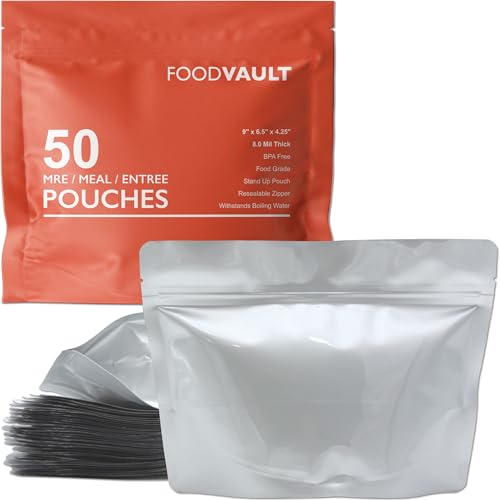
Features: 16 mil total thickness; stand-up resealable pouches; designed for long-term storage and rehydration with hot water. Slightly larger capacity than standard bags; aims to hold up to 40% more than typical MRE bags.
- Best for: those who want bulk MRE prep and ample bag capacity
- Better for: meals requiring more headspace or larger portions
Caution: ensure proper sealing to maintain airtight integrity for extended storage.
Nasebila Lightweight Insulated Food Pouch
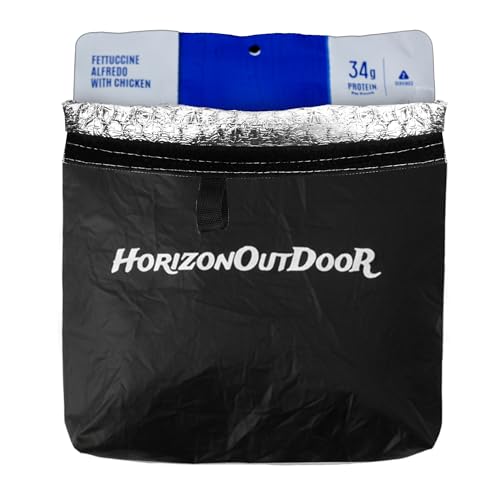
Features: Thin, lightweight insulated pouch with aluminum foil lining and Tyvek outer layer; keeps meals hot or cold for hours; designed for rehydration of freeze-dried meals at elevation. Ultra-light and pack-flat packing.
- Best for: lightweight backpackers who need temperature control at altitude
- Better for: rehydrating meals directly in the pouch
Limitation: insulation efficiency depends on external temperature and packing density.
Wallaby 30 Count MRE Bags

Features: Similar to the 10-count set, with 15 mil thickness and oxygen absorbers; designed for long-term storage and boil-safe use. Ideal for bulk meal prep and camping storage.
- Best for: campers needing greater quantity per trip
- Better for: bulk prep in one purchase
Caution: larger quantity may require more space in packs or storage at camp.
Chamigon 50 Pack Mylar Stand Up Bags

Features: 7.5 mil thickness; resealable, smell-proof design; heat-sealable top with side notches for easier sealing. Glossy silver finish and stand-up capability for meal prep and storage.
- Best for: hikers needing flexible, resealable storage with odor control
- Better for: sample packs or varied meal components
Limitation: thinner than 16 mil options may offer less protection against punctures over long storage.
Buying Guide
What should you consider when choosing reusable backpacking meal bags?
- Storage duration vs. bag thickness: Thicker bags (12–16 mil) generally offer better long-term protection and oxygen barrier, important for long trips or pantry-style storage.
- Sealing method: Zipper-only versus heat-seal options. Heat-seal bags can extend shelf life but require a heat sealer; zipper bags are easier for quick access but may loop moisture slower over time.
- Insulation versus non-insulated: Insulated pouches are ideal for hot meals or cold drinks on chilly days; non-insulated bags save weight for minimalists.
- Size and form factor: Stand-up bags simplify filling and organization; pouches with wide openings improve rehydration and scooping. Consider your typical meal portions and plan accordingly.
- Oxygen absorbers: Some sets include absorbers to reduce residual oxygen. Use only as directed to prevent unintended chemical exposure inside meals.
- Durability and puncture resistance: For rugged backpacking, choose bags with reinforced seams and thicker Mylar or foil layers to withstand rough handling.
- Care and reuse: Reusable bags should be cleaned and dried thoroughly to avoid odor transfer and mold; avoid exposing bags to extreme heat outside recommended ranges.
FAQ
- What makes Mylar bags good for backpacking meals? They provide a barrier against moisture, light, and oxygen, helping to preserve dry or dehydrated foods for longer periods.
- Can I put hot water directly into these bags? Yes, many bags are designed to withstand boiling water for rehydration or cooking, but always verify the specific bag’s heat tolerance.
- Are insulated pouches worth it for backpacking? Insulated pouches help maintain meal temperature and can reduce condensation, which is beneficial in cold or variable weather.
- Should I choose a resealable or heat-sealable option? Resealable bags are convenient for frequent use or portion control; heat-sealable bags are better for long-term storage when you have a sealing device.
- How many bags should I bring for a typical weekend trip? It depends on your meal plan, but having a mix of larger bags for mains and smaller ones for sides or snacks is common.
- Are these bags BPA-free or food-grade? Most listed options are designed for food storage, using food-grade materials; check each product’s materials and usage guidelines for your needs.