
Answering the search: these synthetic ultralight sleeping bags are designed for light hikers who prioritize pack weight without sacrificing warmth. The top picks here suit solo backpackers, weekend hikers, and travelers who crave warmth in damp conditions and easy machine care. Each option highlights a best-use scenario, weight-conscious design, and practical tradeoffs so you can choose confidently for your next trek.
Comparison Table
| Product | Insulation | Approximate Weight | Best For | Notes |
|---|---|---|---|---|
| TETON Sports Trailhead (1) | Microfiber synthetic | Lightweight | Backpacking, hikers who want compact storage | Good warmth with draft tube and vaulted footbox |
| Naturehike Lightweight Compact | Imitation silk cotton (synthetic) | Ultra-light | Travelers and ultralight backpackers | Very compact, roomy for its size |
| Naturehike Ultralight Down (excluded) | Down | — | Not included here | Skip for synthetic focus |
| TETON Sports Trailhead (2) | Microfiber synthetic | Lightweight | Backpacking, hikers who want compact storage | Similar to first, with similar benefits |
| Kelty Cosmic Synthetic Fill 40 Degree | CirroLoft synthetic | Lightweight | Rainy or damp conditions | Good packability with synthetic warmth |
TETON Sports Trailhead 20 Degree Sleeping Bag

The TETON Trailhead uses a microfiber synthetic fill designed to balance warmth and compressibility. The mummy hood helps retain heat around the head and face, while a zipper draft tube and vaulted footbox improve comfort and minimize cold spots. This bag is best for backpackers who need reliable warmth without adding bulk to the pack. It is lighter for hiking days and can fit a compact carry system.
Who it’s best for: solo hikers and weekend trekkers who need a compact, warm bag with straightforward packing. Why selected: it combines a lightweight design with a warm interior and thoughtful draft protection. Caution: the bag’s loft can vary with climate; avoid expecting extreme temperatures in harsher conditions.
TETON Sports Trailhead 20 Degree Sleeping Bag (Alternate Façade)

This variant mirrors the same synthetic warmth and comfort features. It emphasizes a roomier footbox, a dependable draft tube, and a soft liner. Best for hikers who appreciate a little extra room without adding excessive weight. It’s a practical choice for those who want a dependable bag for three-season use. Caution: ensure you choose the right size to avoid excess interior space that can trap cold air in cooler temps.
TETON Sports Altos-S 20 Degree Sleeping Bag
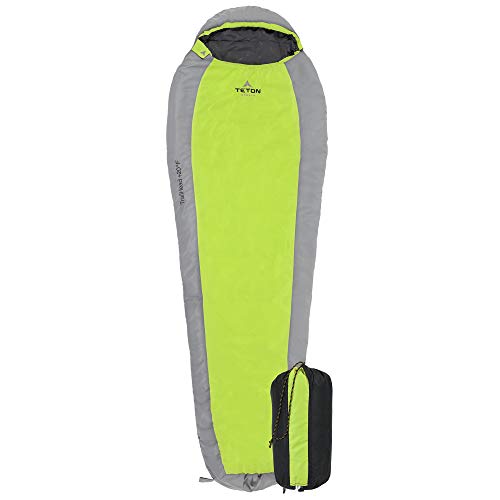
The Altos-S line offers an enhanced shoulder and leg room with a built-out footbox and a breathable, warm interior. It uses a warm synthetic fill and is designed for year-round outdoor use with a focus on comfort in damp environments. Best for campers who want more space in a mummy-style bag and reliable warmth. Caution: availability of exact down-free performance can vary by season; verify synthetic fill details for your climate.
Kelty Cosmic Synthetic Fill 40 Degree

Kelty Cosmic uses CirroLoft synthetic insulation to provide warmth in damp and cold conditions, with an integrated compression stuff sack that supports compact storage. This 40-degree bag is suitable for three-season use and backpacking where moisture is a concern. Best for campers who want dependable warmth without dealing with down concerns. Caution: higher loft may be needed in the coldest nights; consider layering or a liner for extra warmth.
Naturehike Lightweight Compact Sleeping Bag

Naturehike’s ultralight compact sleeping bag emphasizes minimal weight while maintaining roominess for an adult. It weighs about 0.76 kg (1.68 lbs) and compresses into a small carry bag with compact straps. It’s well-suited for ultralight backpackers and travelers who prioritize space savings. Caution: the bag’s warmth rating and layering flexibility should be considered for colder nights; plan for layering if temperatures drop.
Buying Guide: Key Considerations For Synthetic Ultralight Sleeping Bags
- Warmth-to-weight ratio: How many degrees of warmth do you need for your typical trip, and how light should your pack be?
- Insulation type: Is synthetic insulation essential for moisture-rich environments, or could you accept a little extra weight for better compressibility?
- Size and fit: Do you need extra shoulder and hip room, or is a snug mummy fit preferable for weight savings?
- Packability: How small can the bag compress, and what kind of stuff sack is included?
- Durability and care: Are you ok with machine-washable synthetic fills, and how resistant is the shell to abrasion?
- Climate versatility: Will you encounter humidity, damp ground, or snow, and does the bag perform well in damp conditions?
- Budget and availability: Are you choosing a model that balances cost with reliable warmth and compressibility?
Buying Considerations by Scenario
- Backpacking in variable weather: Choose a synthetic bag with draft tubes, a roomy footbox, and solid compressibility.
- Travel and ultralight missions: Prioritize weight and packed size; a compact bag with robust stitching is ideal.
- Moist environments: Synthetic insulation retains warmth when wet and dries faster than many down options—optimal in damp climates.
FAQ
- Q: Why choose a synthetic ultralight sleeping bag over down? A: Synthetic fills retain warmth when wet and are generally easier to care for and dry in damp conditions.
- Q: Are there sizes that fit taller hikers? A: Some models offer long or oversized options; verify dimensions before purchasing.
- Q: Can I use a liner for extra warmth? A: Yes, a thin liner can increase warmth without significantly increasing weight or bulk.
- Q: How compact is a typical synthetic ultralight bag? A: Most compress to a small duffel-like size; check the included stuff sack for exact measurements.
- Q: What temperature rating is realistic for three-season use? A: A 30–40°F (around 0–4°C) bag covers most spring, fall, and cool summer nights, with layering as needed.
- Q: How durable are synthetic sleeping bags in rugged use? A: Shell fabrics vary; look for reinforced panels in high-wear areas and quality zippers.